SAS Locks In Its Biggest-Ever Fleet Investment with Firm Order for 18 Airbus A330-900s
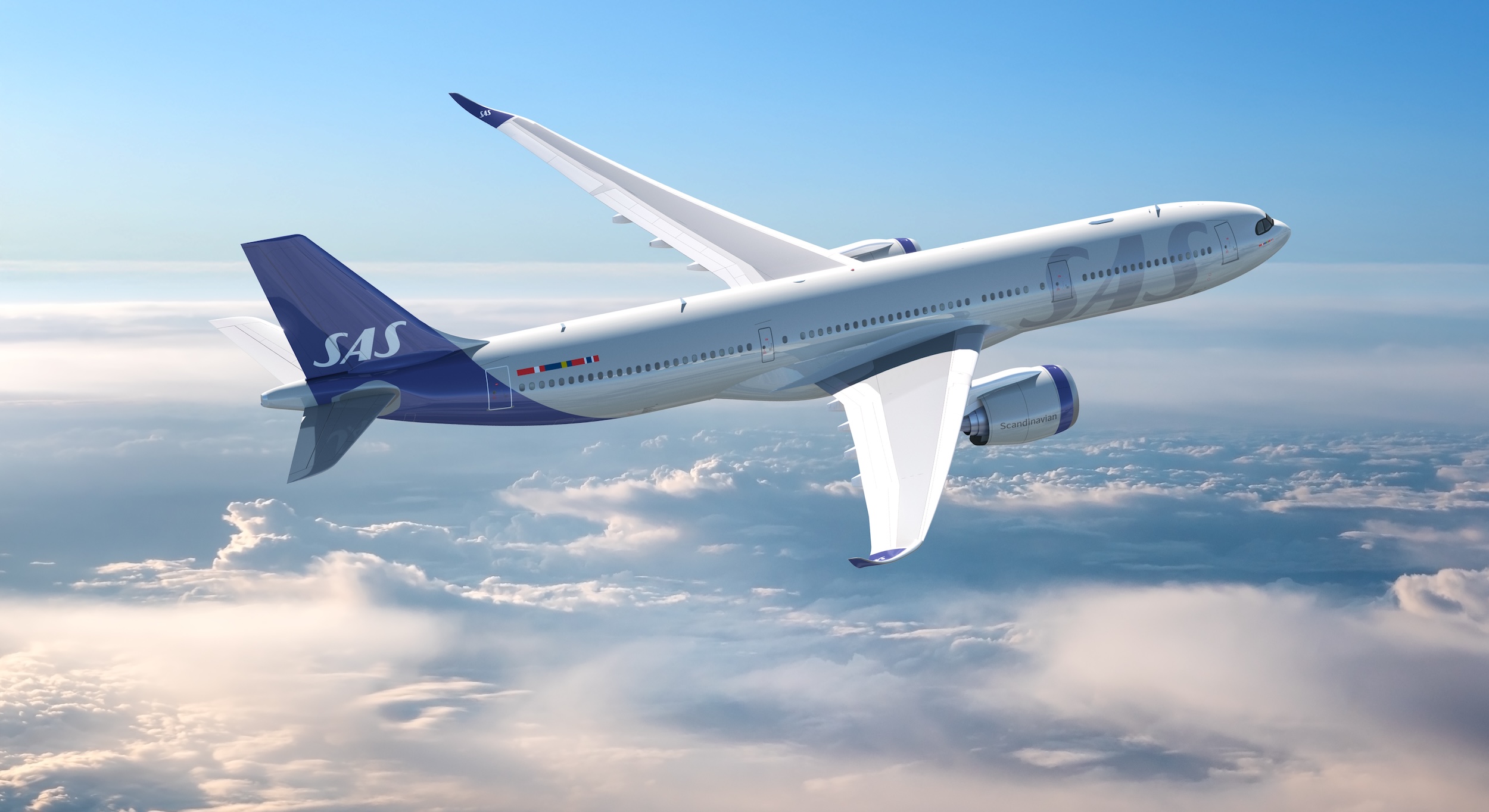
Photo Source: SAS
Scandinavian Airlines (SK) has confirmed a firm order for 18 Airbus A330-900 aircraft, a deal the carrier is calling the largest long-haul fleet commitment in its history. The order sits inside a wider agreement that could grow to as many as 40 Airbus widebody jets, with a combined list-price value north of US$10 billion.
Alongside the new-generation A330neos, SAS has also picked up extra A330-300 capacity — older-generation jets meant to bridge the gap and support network growth. At the same time, it waits for the new aircraft to arrive. Neither SAS nor Airbus has released a delivery schedule for the 18 firm A330-900s yet.
Not Just a Replacement Program
While fleet renewal is part of the story, SAS is framing this as something bigger: a deliberate push to make Copenhagen (CPH) its core long-haul gateway, linking Scandinavia more directly to North America, Asia, and other long-haul markets.
Airbus says the new jets will enable SAS to increase frequencies on its busiest international routes while also opening doors to destinations it doesn't currently serve.
The extra A330-300s play a supporting role here — giving SAS room to grow its intercontinental schedule now, ahead of the A330neo's entry into service. In effect, it's a two-phase plan: lean on existing A330-generation aircraft for near-term expansion, then transition to the more efficient A330neo over the longer term.
Doubling Down on an All-Airbus Widebody Fleet
SAS's long-haul fleet currently consists of eight A330S and six A350S. Bringing in the A330neo builds directly on that foundation — the new jet shares roughly 95% of its airframe components with the existing A330-300, according to SAS, which should ease the transition across pilot training, maintenance, spare parts, and ground handling.
Airbus pitches the A330neo's efficiency gains as substantial too, citing roughly a 25% reduction in fuel burn, emissions, and per-seat operating costs compared with older-generation widebody rivals. The aircraft is powered by Rolls-Royce Trent 7000 engines and has a range of up to 8,100 nautical miles — enough to connect Copenhagen to long-haul destinations without trading off payload or seating capacity.
Why Copenhagen Is the Centerpiece
SAS argues that beefing up long-haul connectivity out of CPH isn't just an airline strategy — it's an economic one for the region. The carrier has projected that its expansion plans could eventually support around 25,000 jobs and add roughly DKK 25 billion to Denmark's GDP by 2030. Those numbers, of course, hinge on the growth actually materializing as planned.
This order doesn't exist in isolation. It follows SAS's 2025 commitment to 55 Embraer E195-E2 regional jets — itself a record deal — and runs alongside an ongoing renewal of its A320neo-family narrowbody fleet. Put together, SAS is investing on both ends of its network simultaneously: regional feed across Scandinavia and wider Europe, paired with expanded long-haul reach from Copenhagen.
A Signal of Life After Restructuring
The timing matters. This order lands roughly two years after SAS emerged from Chapter 11 restructuring, and it's one of the clearest indications yet that the airline is now thinking past recovery and toward growth.
According to Reuters, Airbus beat out Boeing in the widebody competition for this deal. By sticking with Airbus, SAS avoids introducing a second widebody manufacturer into a fleet already centered on the A330 and A350 — keeping operations simpler as it scales up.
Passengers won't notice any difference for several years yet, given the lack of a confirmed delivery timeline. But the strategic direction is unmistakable: SAS is betting on a bigger long-haul future built around Copenhagen, with the A330neo as the aircraft meant to carry that ambition forward.