FAA Reviews Software Issue on Boeing 737 MAX
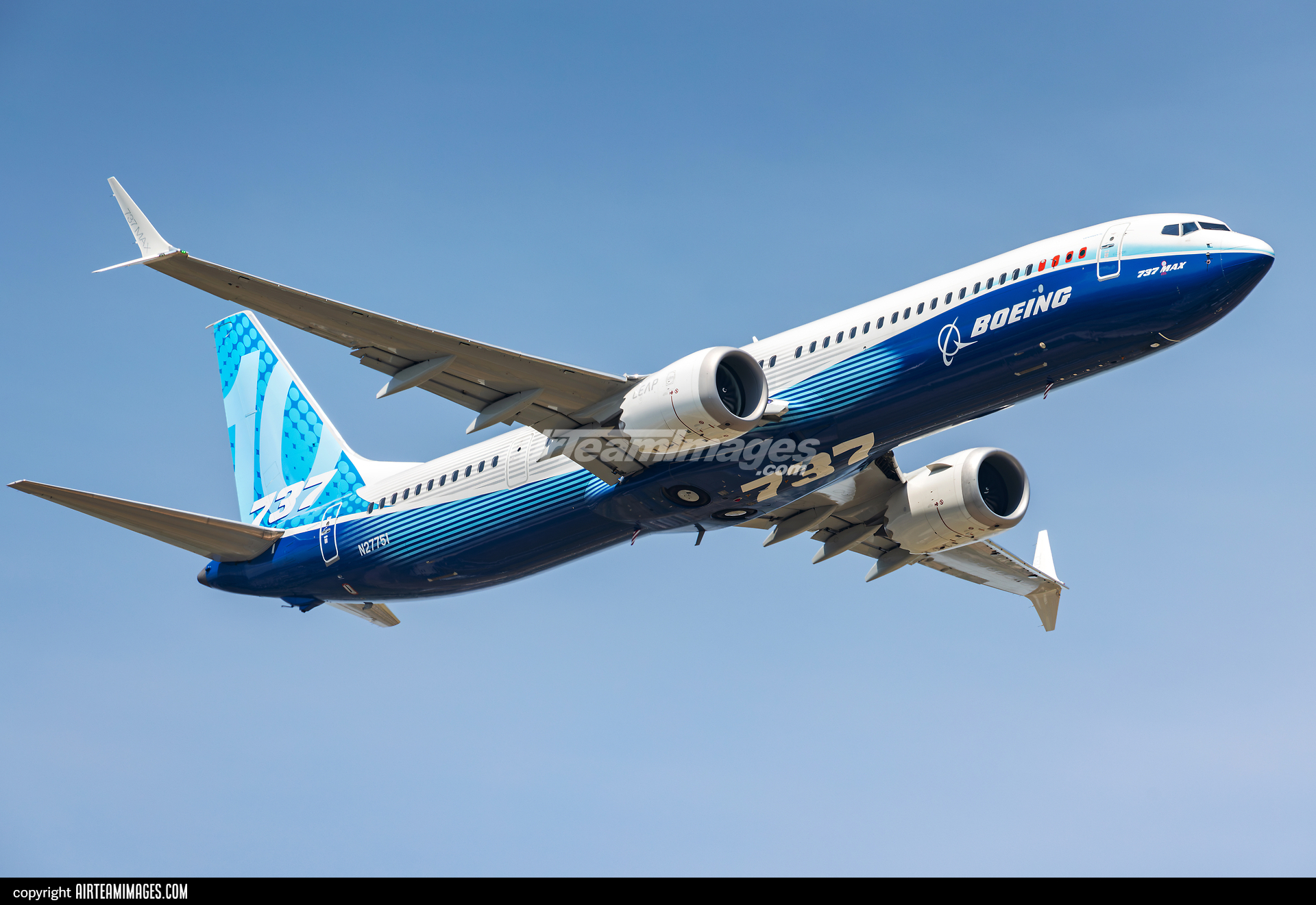
The U.S. Federal Aviation Administration (FAA) is reviewing a potential issue with updated flight management computer (FMC) software installed on some Boeing 737 MAX aircraft. The issue involves software versions 14 and 14.1. Boeing told operators in August that, in a rare landing scenario, pilots may temporarily lose access to automated vertical flight guidance. The company said the issue is not an immediate safety concern and that pilots can continue to fly and land the aircraft using established procedures.
According to Boeing, the condition can occur during a precision approach when the crew initiates a go-around and subsequently changes the preprogrammed flight plan. The flight guidance system may then transition from vertical navigation (VNAV) to another mode, such as level change or vertical speed.
VNAV follows the altitude and speed constraints calculated by the FMC, while the other modes require the crew to manage those constraints manually.
U.S. Airlines and New Deliveries
Alaska Airlines, American Airlines, Southwest Airlines and United Airlines have told CBS that their aircraft currently in service do not use the affected software.
However, Southwest and United have told Boeing they will not accept new aircraft equipped with the affected software and would instead take aircraft with an earlier software version.
Boeing has not disclosed how many undelivered aircraft are affected or whether operators outside the U.S. are currently flying aircraft with versions 14 or 14.1.
FAA Review
An airline first reported the condition to Boeing in November 2024. Boeing initially concluded in February 2025 that it did not represent a safety issue.
After receiving additional information from operators, Boeing launched a formal safety review. The findings have now been submitted to the FAA. The FAA said it will convene a Corrective Action Review Board (CARB), composed of FAA safety experts, to determine whether the issue poses a safety concern and what action may be required.
Boeing is developing a software update to permanently address the issue. The company told Airways it currently anticipates the next software update in 2028 but is working to accelerate the timeline based on operator feedback.
Potential Impact on the 737-7 and 737-10
The review comes as Boeing's 737 MAX program reaches important milestones. The FAA certified the 737-7 on August 3, with CBS reporting that the aircraft was certified with software version 14.
Meanwhile, the 737-10 used version 14.1 during certification testing. Boeing completed its final planned certification flight in July, and Alaska Airlines said on September 24 that it expected FAA certification by the end of September. It remains unclear whether the software issue will affect the timing of 737-7 deliveries or 737-10 certification.
The FAA has not said whether the CARB review must be completed before the 737-10 can be certified. For now, Boeing is working with the FAA and airlines on the issue while the agency evaluates the company's findings and proposed corrective action.
Track Live Flights