Europe Could Face Jet Fuel Shortage Within Weeks if Hormuz Disruptions Continue
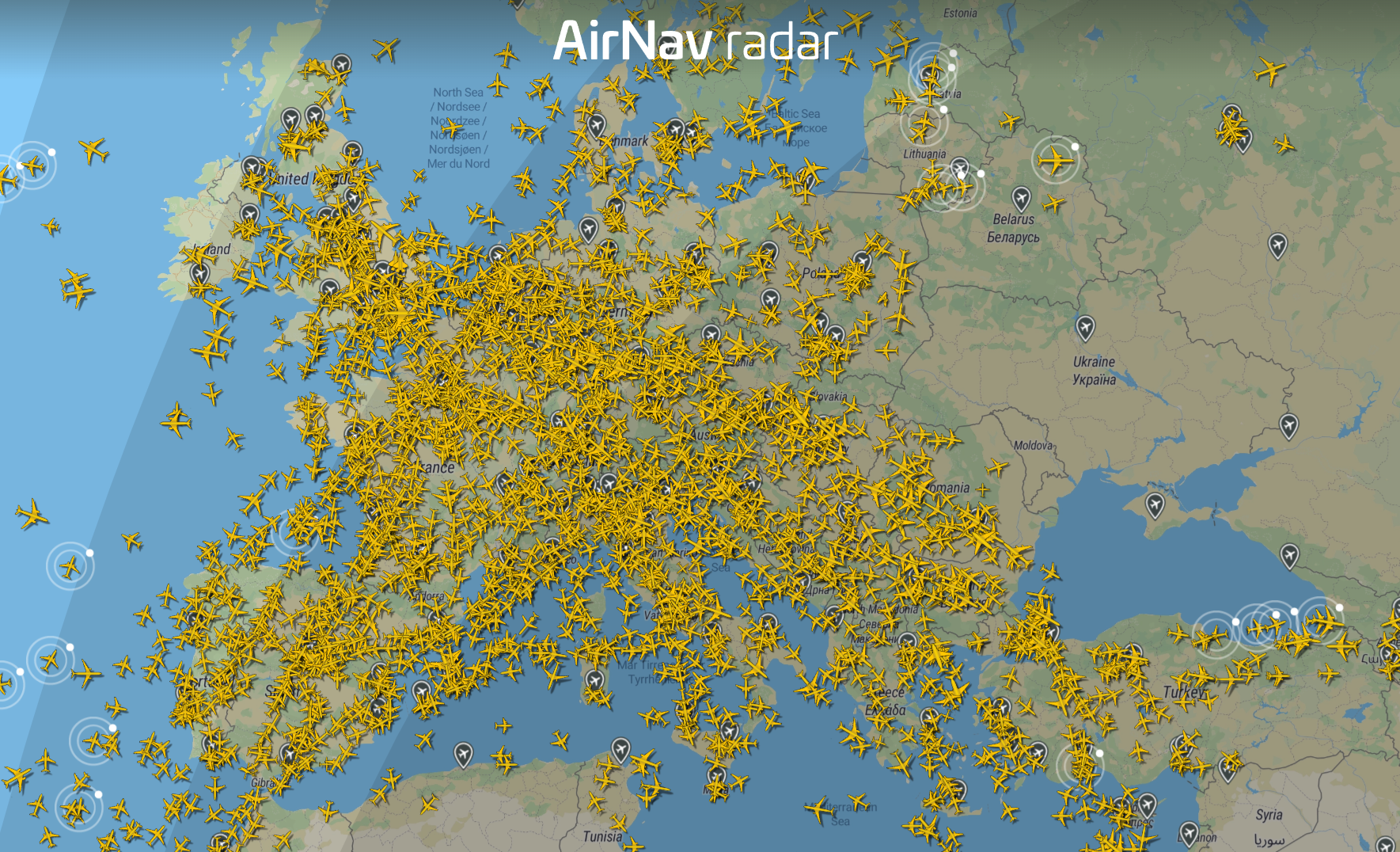
European Airspace
Europe’s aviation sector could face a serious jet fuel shortage within weeks if ongoing disruptions in the Strait of Hormuz persist, according to Airports Council International Europe. The organization has called for urgent action from the European Commission to prevent significant economic and operational impacts during the peak summer travel season.
A Critical Supply Risk for European Aviation
In a letter addressed to the European Commission, ACI EUROPE warned that fuel supply disruptions could quickly escalate into a major crisis. Europe’s aviation industry plays a vital role in the economy, supporting approximately:
- €851 billion in GDP
- 14 million jobs across the region
A shortage of jet fuel during the busy summer months could therefore ripple across tourism, cargo operations, and broader economic activity.
Jet Fuel Prices Already Surging
The warning comes as jet fuel prices have already climbed sharply, reaching $150-$200 per barrel. This surge is significantly increasing airline operating costs and could lead to:
- Higher airfares for passengers
- Reduced flight schedules
- Increased pressure on airline profitability
- Potential disruptions to cargo supply chains
Airlines, airports, and logistics providers are already closely monitoring the situation.
Lack of EU-Wide Monitoring Raises Concerns
ACI EUROPE also highlighted a key vulnerability: the absence of coordinated fuel availability monitoring across the European Union. Without real-time oversight, shortages could emerge quickly and unevenly across member states.
To address this, ACI EUROPE called for urgent measures, including:
- Mapping fuel supply and demand across Europe
- Securing alternative import routes
- Protecting intra-EU fuel flows
- Assessing available fuel reserves
Proposed Emergency Measures
To mitigate the potential crisis, ACI EUROPE proposed several temporary solutions:
- Regulatory flexibility for fuel imports
- Easing restrictions under the upcoming methane regulations
- Coordinated fuel purchasing across member states
- Potential state aid support for aviation