Easyjet facing backlash even as its flight numbers crumble
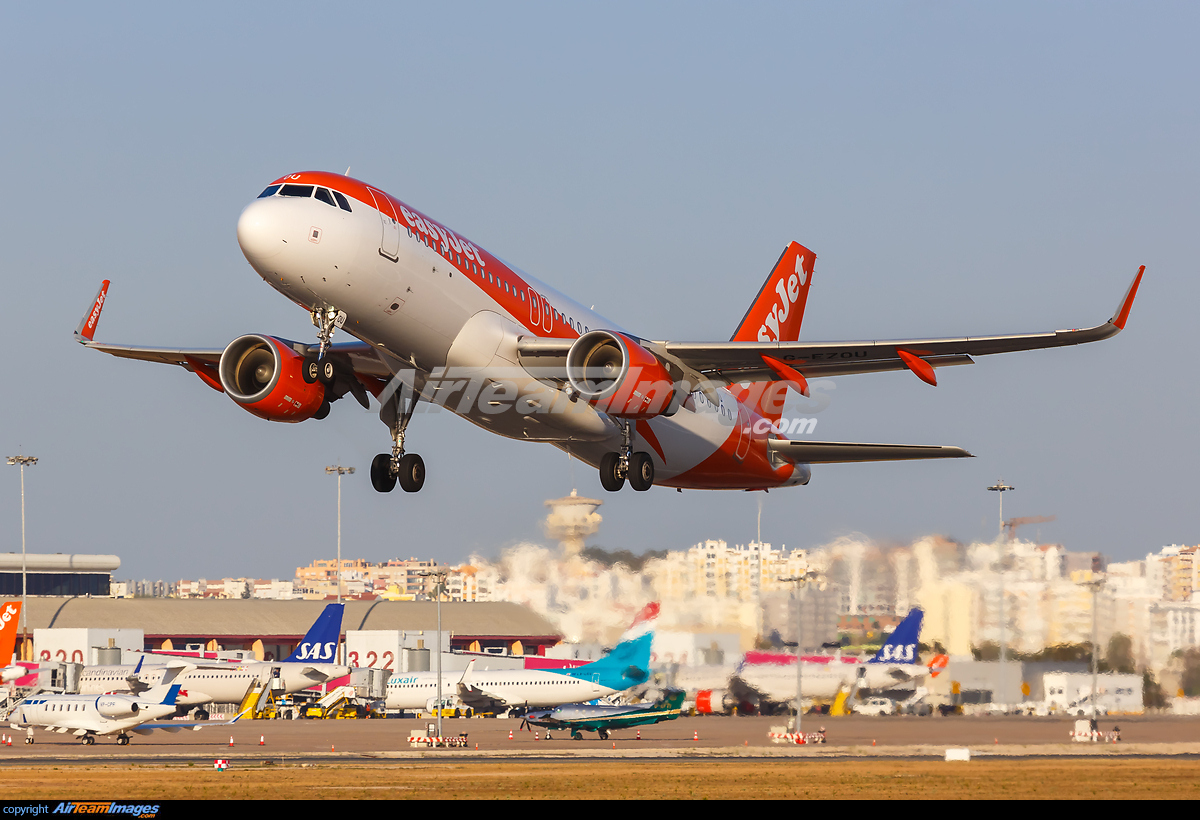
The low-cost airline EasyJet has generated a lot of headlines over the years, and its name has remained very much at the forefront of aviation news during the Covid-19 pandemic. The carrier headquartered in London has hugely expanded its operation over the last 20 years, through a combination of budget flights and astute acquisitions.
But the future of EasyJet is clouded in uncertainty, as is the case for so many airlines. EasyJet grounded its entire fleet of planes on March 30 due to the ongoing virus crisis, and its return to anything approaching full capacity has been particularly slow and steady:

(Above: EasyJet flight data for 2020)
The current picture contrasts starkly with the usual EasyJet operation. The company has established itself as the second most prolific budget airline in the world, in terms of passengers carried, closely behind Ryanair. But the carrier has been forced to slash flights in the current climate, while its refund process has left itself open to criticism.
Spanish storm
EasyJet sparked controversy in recent days by indicating its determination to continue flying to Spain, despite the UK Foreign Office advising against all non-essential travel to the European nation. All Britons are required to quarantine for 14 days after visiting Spain, after the UK government took the decision to remove Spain from its list of approved nations.
Commenting on the decision that has received a mixed reception, a spokesman for EasyJet noted that the company is “planning to operate flights to all of Spain in the coming days but we continue to monitor this with a view to align the flight schedule to demand.”
Refund complaints
This latest public statement comes after EasyJet has been heavily criticized for its attitude during the coronavirus lockdown. The carrier was particularly chastised by the UK Civil Aviation Authority for failing to process refund requests in a timely fashion.
And this isn't the first time that the budget airline has fallen foul of regulations on compensation. The carrier was also criticized in Germany for failing to observe European Union law in cases of denied boarding, delays or cancellations. Thus, these latest allegations are significantly damaging to the reputation of EasyJet.
Key commitments
In an attempt to improve their public relations, the company offered customers with existing bookings the opportunity to make free changes up to 28 days before departure, and even in other circumstances where possible.
EasyJet will also be increasing its operation once more on August 1, and Matt Callaghan, customer director of EasyJet holidays, noted that the company has made “key commitments to only operate to countries where we believe customers can have a safe and enjoyable holiday.”
Pilot problems
But the financial difficulties at the company were illustrated by further negative media stories related to employment. EasyJet was accused recently of using the sickness records of pilots as part of the determination process for the cutting of over 700 jobs at the firm. This was described as “unnecessary and wrong” by the British Airline Pilots Association (BALPA).
Brian Strutton, BALPA's general secretary, was strongly critical of the plan. “Flight safety is built on a culture of openness and not fear of repercussions. This is a well understood and fundamental tenet for everyone involved in ensuring our skies are safe. It is unnecessary and wrong that easyJet is intending to use sickness as a stick to beat its safety-critical staff. EasyJet has in the past rightly encouraged pilots to report in sick or fatigued if they are unfit to fly - that is in everyone's best interest.”
While the airline has rejected the claims on pilot sickness, the story contributed to what has been a troubling climate for the low-cost carrier. Facing inversely diminishing revenue, and with its flights having been reduced massively, EasyJet was one of 47 travel industry signatories to an open letter to the British government, which called for a more nuanced approach to its current policy.
Permanently scarred
The letter commented that the quarantine policy had no obvious rationale, and that the current approach of the government threatened leaving the travel industry “permanently scarred”. It is the sort of strong statement that underlines the profound problems that the aviation industry is facing currently.
Nonetheless, EasyJet has moved quickly in an attempt to resurrect its flight portfolio, announcing that it will add more destinations to its list from the UK in August. The airline has already resumed flying to Italy, France, Spain, Turkey, Greece, Montenegro, Croatia, the Balearics and the Canary Islands, and now plans to add more locations as well.
Radarbox data
The concern of EasyJet is not difficult to understand when one examines data for the UK and Europe. Flights originating from the UK have been hit severely, regardless of whether they are domestic or international.

(Above: UK domestic flight data for 2020)

(Above: 2020 flight data for UK flying to overseas destinations)
And the situation is little better in Europe, although the market has begun to pick up slightly in comparison to Britain.

(Above: European flight data to European destinations)
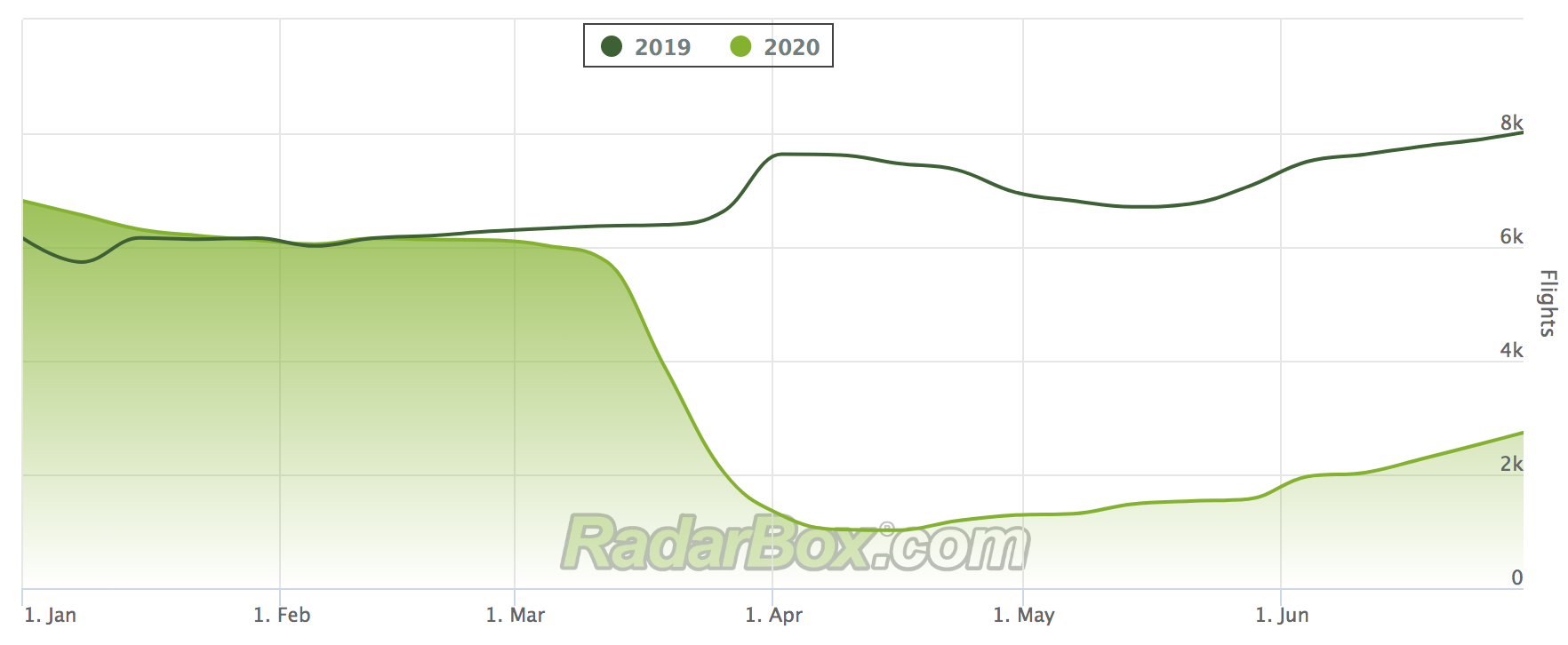
(Above: European flight data for non-European destinations)
While budget airlines are much better placed than long-haul operators to recover from the coronavirus pandemic, the move of major carriers such as British Airways into this space may also be concerning for the likes of EasyJet.
As the market continues to evolve in the weeks and months to come, Radarbox will keep you abreast of all the latest developments.