EASA Orders Urgent Inspections on Airbus A380 Fleet After Wing Cracks Discovered
-
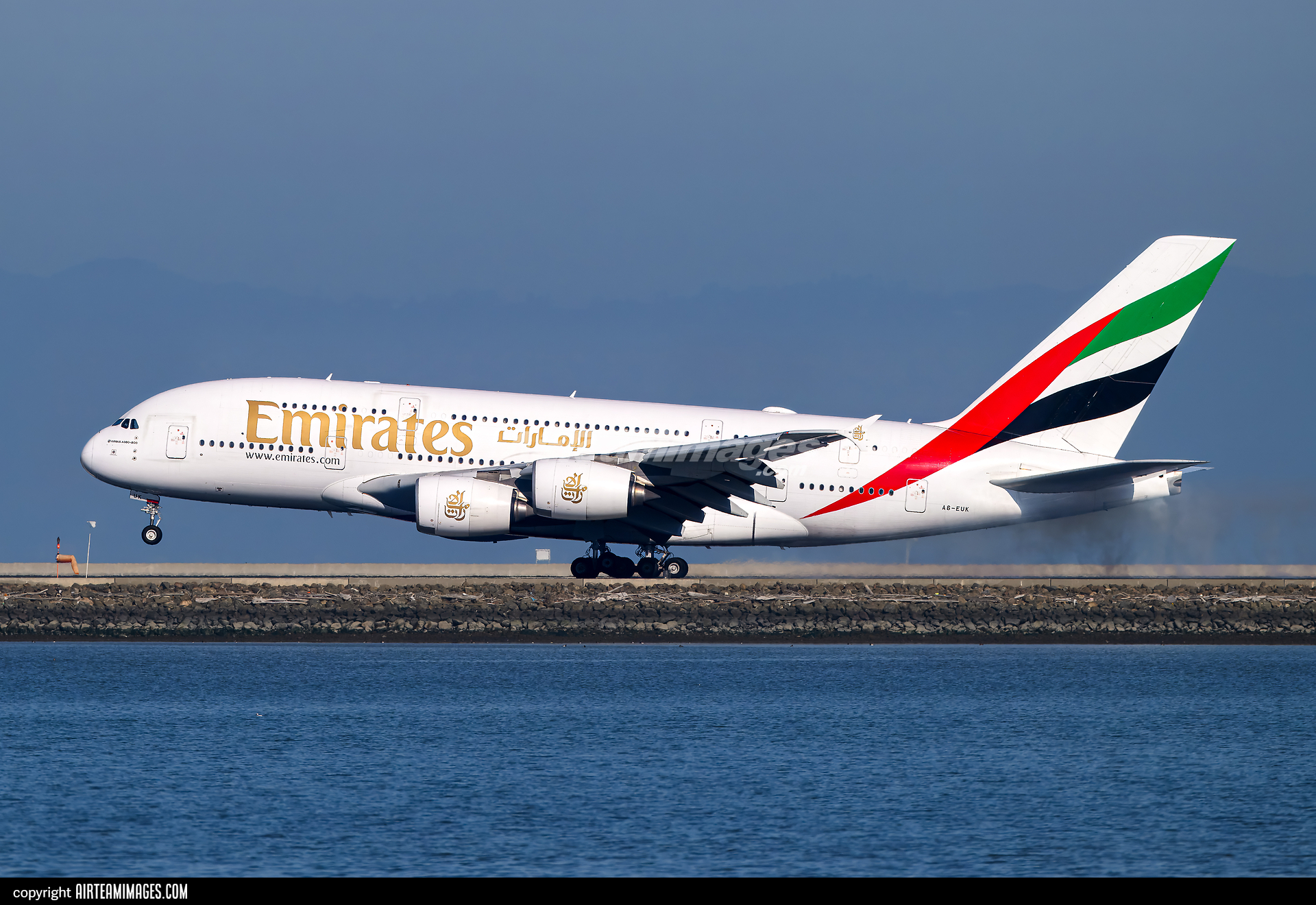
Photographer: Felix Gottwald - AirTeamImages.com
The European Union Aviation Safety Agency (EASA) has issued an emergency airworthiness directive requiring urgent structural inspections on 16 Airbus A380 aircraft after cracks were discovered in critical wing components. The directive, published on June 22 and taking effect on June 24, 2026, focuses on the aircraft’s wing mid spars and has prompted renewed attention to the long-term maintenance challenges associated with the world’s largest passenger airliner.
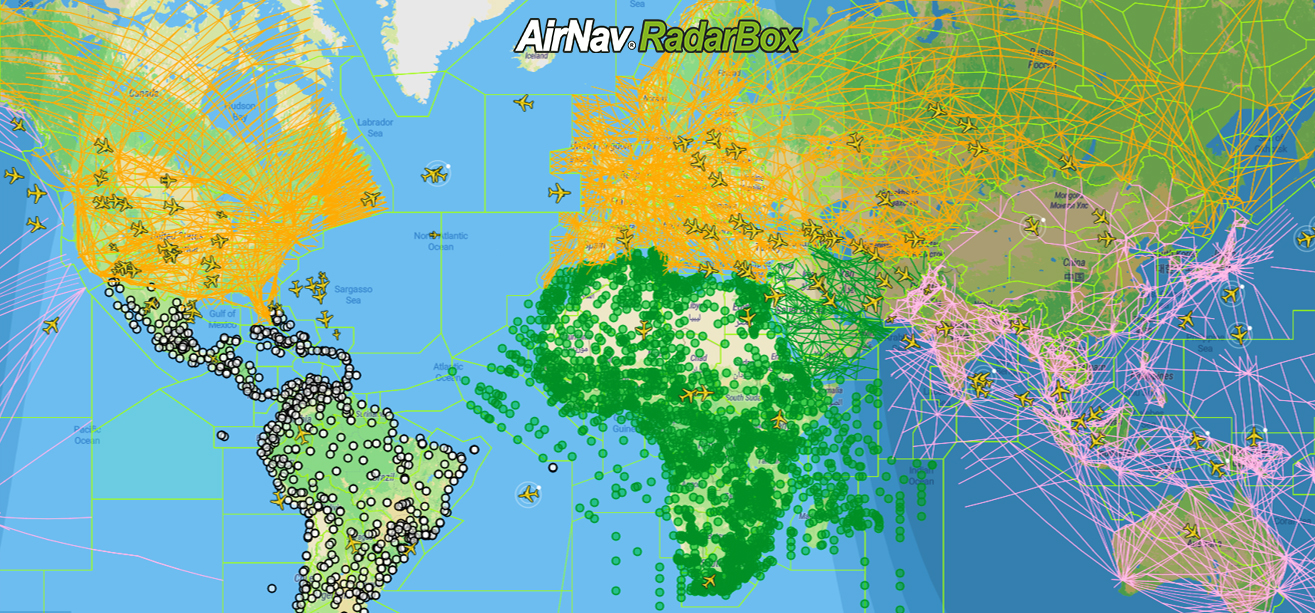
A380s around the world
According to EASA, an evaluation of data from previous inspections identified cracks in the wing mid-spars, key structural elements within the wing box. Regulators warned that if left unaddressed, these cracks could potentially affect the structural integrity of the aircraft’s wings.
Five Emirates A380s Grounded Immediately
The directive applies to 16 Airbus A380 aircraft currently operated by two airlines:
- Emirates: 15 aircraft
- Qantas: 1 aircraft
EASA has divided the affected aircraft into two categories based on the urgency of inspection requirements.
Five Emirates A380s have been grounded with immediate effect and must undergo inspections before returning to commercial passenger service. The agency has authorized limited ferry flights without passengers, allowing operators to reposition the aircraft to maintenance facilities where the inspections can be completed.
The remaining 11 affected aircraft may continue operating but must be inspected within their next 25 flight cycles.
Qantas confirmed that its affected aircraft, registered as VH-OQI, is already undergoing heavy maintenance in Dresden, Germany. The airline stated that the inspections will be completed during the maintenance visit and are not expected to impact scheduled operations.
Focus on Wing Mid Spars
Unlike previous A380 structural inspections that concentrated on external wing components, this directive specifically targets the wing mid spars—major structural beams that run through the center of the wing box and help distribute aerodynamic and structural loads throughout the wing.
The discovery highlights the unique engineering challenges involved in maintaining aircraft with extremely large wings. The Airbus A380 features a wingspan of nearly 80 meters (261 feet), making it one of the largest commercial aircraft ever built.
Despite the seriousness of the directive, EASA emphasized that the issue does not pose an immediate risk to the broader A380 fleet and has not resulted in a fleet-wide grounding of the aircraft type.
A History of Wing-Related Inspections
This is not the first time the Airbus A380 has faced regulatory scrutiny over wing structures. In 2012, EASA ordered inspections across the global A380 fleet after micro-cracks were discovered in wing rib feet brackets, components that connect the aircraft’s internal wing framework to its outer skin. The issue led to extensive inspections and repairs throughout the fleet.
Several years later, in 2019, regulators turned their attention to cracks found in the outer rear spars. Those concerns became more prominent after the COVID-19 pandemic, when many A380S returned to service following extended periods of storage.
The current directive differs from previous actions by focusing on the mid spars, internal structural components that are crucial to the wing's overall strength.
Airbus Develops New Inspection Program
In response to the findings, Airbus has introduced an additional, more detailed inspection program specifically designed for the wing mid-spars. Operators have been instructed to carry out the inspections and report their findings to Airbus and regulators within seven days.
Any aircraft found to have structural discrepancies will be required to undergo repairs before returning to passenger operations.
Regulators indicated that further action could be taken depending on the results of the inspections. The data collected from the 16 affected aircraft will help determine whether additional inspections or broader fleet measures become necessary.