737 MAX: Overcoming the Storm and Seeking Redemption
.png)
The fundamental question: 'What can we do to prevent an accident like this from happening again?' This question remains the essential basis for ensuring safety in contemporary aviation. The airline industry is meticulously designed and developed with an unwavering commitment to safety. However, it is alarming to note that some companies seem to neglect the fundamental principles of aviation today. Recent news highlights that one of the largest and most influential companies in the sector built a defective aircraft, going to the extreme of hiding the existence of a flawed system to avoid financial implications, resulting in the tragic loss of 346 lives in the past. What is even more worrying is that, even with its latest model, the company persists in compromising passenger safety.
Surviving Mistakes and trying to forget the past
Boeing is a name that stands out in the aeronautical industry these days, perhaps because of its achievements, perhaps because of its incredible aircraft or perhaps because of the recent problems involving its aircraft. Accidents happen with any aircraft, it could be an Airbus, a Boeing or even an Embraer, sometimes an error by the pilot, the Air Controller or even an aircraft problem.
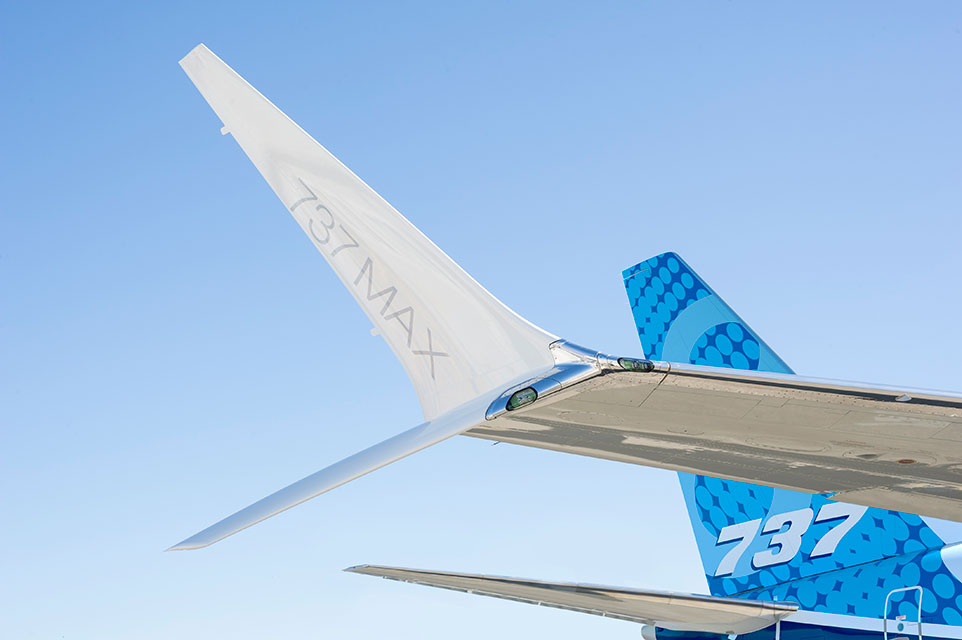
The story of the 737MAX is much more than accidents, software errors and loose screws, it is a story of negligence and a thirst for money that led to a series of errors that killed and endangered lives. The world of aviation does not forgive mistakes and Boeing felt this, the American giant chose the path of profit over safety, withholding material information from the FAA about the operation of its 737 Max plane and engaging in an effort to cover up its mistake.
When questioned by AviationWiki, Boeing reaffirmed the aircraft's successful track record in terms of global orders and deliveries, highlighting the confidence it believes airlines place in the American company's model and reputation. However, when examining the perspective of passengers, a more cautious approach on the part of the United States manufacturer is observed. Both Boeing and the airlines that operate this aircraft are committed to making changes to the nomenclature, abandoning the "MAX" designation and adopting new labels such as 737-8 or 737-8200 for the MAX 8 version. This pattern is also evident in the more recent models, such as the 737 MAX 9, where on one of the information pages about the most recent addition to the MAX family, the company chose to name the aircraft as 737-9.
The fate of the model remains uncertain, with Boeing currently dedicating efforts to validating two new versions of the 737 MAX (737 MAX 7 and 737 MAX 10), while the 737 MAX 9 model is unable to fly due to lack of approval from regulatory bodies in the United States. But the certification process for new versions could be even more complicated after news emerged regarding the production of the MAX 9, including the discovery of loose screws during routine inspections. When asked about the problems with the MAX 9, Boeing's CEO, David Calhoun, assured that the company will only authorize the aircraft to fly after the problems have been completely resolved and that the company is only focused on solving the problems with the MAX 9 version. Yet when confronted about how a potentially unsafe aircraft was initially allowed to fly, Calhoun admitted a quality failure.
The global aviation industry has been witness to the remarkable achievements of Boeing, a giant that has played a crucial role in raising global aviation standards. However, recent revelations in recent weeks shed light on internal issues that raise concern within Boeing. Reported incidents, such as those that have been made public, and the episode involving the Alaska Airlines 737 MAX 9 are, without a doubt, unacceptable. It is imperative that manufacturers ensure that their aircraft undergo rigorous manufacturing and inspection processes before being delivered. We, as a society, cannot accept anything less.
Aviation is not just about money, lives are at stake. Thousands of people trust every day that the aircraft they travel on is safe. But what Boeing did ends up removing some of the public's trust in the company and aviation in general. In an era where fatal air accidents are increasingly rare, the effectiveness of aviation safety standards and regulations cannot be underestimated. Given this panorama, Boeing's fate and its relevance in the aeronautical industry will crucially depend on how the company will deal with and overcome the challenges in question.
.png)